
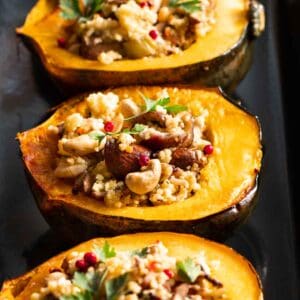
This vegetarian stuffed acorn squash is my favorite Thanksgiving side dish, and my little fall twist on a classic: fork-tender roasted squash filled with couscous, browned mushrooms, toasted cashews, feta and a little secret ingredient that makes it special: chestnuts.
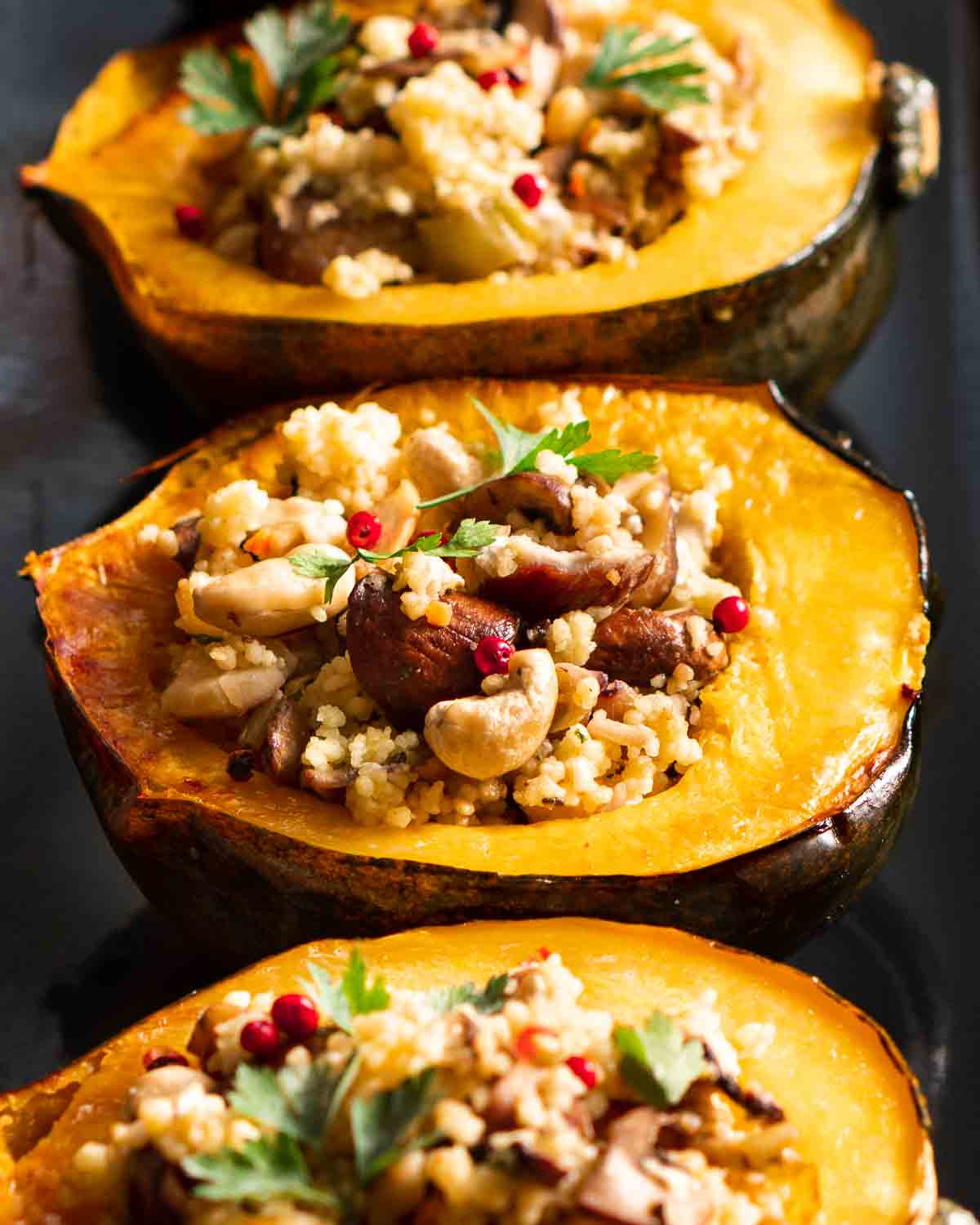
Most stuffed squash recipes reach for quinoa, pecans and cranberries. When I was experimenting with this one, I added chestnuts, and I've never gone back. To me chestnuts are the fall food, and they're what make this version feel special.
It works just as well outside the holidays, as cozy fall comfort food on a weeknight.
For more pumpkin recipes check out our creamy Pumpkin Carrot Soup or Pumpkin Spice Oatmeal.
Jump to:
Why you'll love this recipe
- A different stuffing: chestnuts, toasted cashews and feta instead of the usual quinoa, pecans and cranberries!
- Healthy and packed with nutrients - acorn squash is a source of Vitamins A, C, B1, and B6.
- Works as a Thanksgiving side or a meatless fall main.
- Easy to make, and the elements can be made in advance.
- Can also easily be made gluten-free or vegan.
Why chestnuts?
I've made this for quite a lot of people over the years, and the first thing they often ask is: "Wait… are those chestnuts?" Nobody expects them, and that little surprise is half the fun.
Chestnuts are soft, slightly sweet and a little starchy, almost creamy compared with crunchy nuts. In the filling they sit between the toasted cashews and the couscous: the cashews bring the crunch, and the chestnuts bring a mellow, earthy sweetness that goes with the squash without needing dried fruit.
Where to buy them in the US: Use whole, ready-to-eat cooked or roasted chestnuts (vacuum-packed or in a jar). Gefen roasted & peeled chestnuts are the easiest to find: Whole Foods, Walmart, Target and Kroger all carry them. Look near the nuts and dried fruit, or in the international aisle. I've also seen them on Amazon.
Ingredients & Substitution Notes
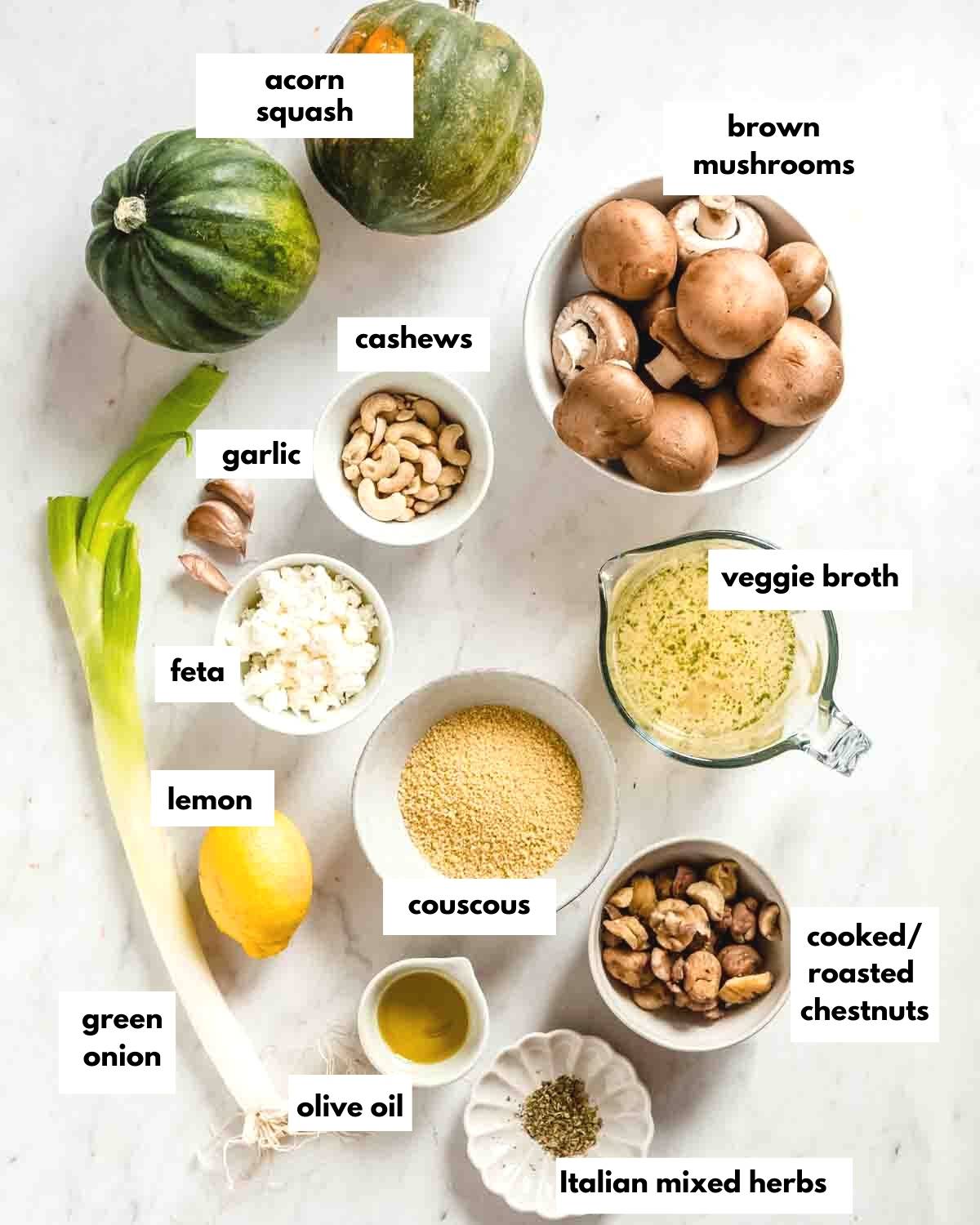
- Acorn squash: these can be replaced with other winter squashes such as Hokkaido or butternut squash.
- Olive oil: you can use another vegetable oil such as canola or sunflower.
- Garlic: you can choose to leave out the garlic or use garlic powder as an alternative.
- Brown mushrooms: choose those with a meaty texture like cremini or oysters. Try to steer away from white mushrooms, as they won't have the same texture.
- Cashews: these give a lovely savory, cheese flavor when toasted. You could opt for other nuts like macadamias or pine nuts.
- Whole Cooked/ Roasted Chestnuts: that are ready to eat. If you truly can't find them, use extra cashews or toasted pecans. The filling will be crunchier and less sweet.
- Dried mixed herbs: Mine included rosemary, sage, oregano, basil, marjoram, and thyme. You could try a few or all of these in your version.
- Green onion: these give some sweetness to the filling. A small regular or red onion or shallots also work; cook it a little longer.
- Couscous: makes up the bulk of the filling. Wild rice or quinoa is a good substitute if you need a gluten-free alternative.
- Vegetable broth: This gives the dish extra flavor than just cooking the couscous in water. You could make your own homemade vegetable stock if you like.
See recipe card for quantities.
How to cut an acorn squash safely
- Acorn squash is hard and round, so give it a stable base first.
- Use a large, sharp chef's knife, not a small one.
- Slice a thin piece off one side so the squash can't roll, then cut through from stem to tip.
- If the knife gets stuck, don't force it sideways. Tap the back of the blade gently with your palm, or microwave the whole squash for 2-3 minutes to soften the skin slightly.
- Scoop out the seeds and stringy bits with a spoon.
Tip: some people get dry, tight or irritated skin from handling raw squash. If that's you, wear kitchen gloves while cutting and scooping.
Step-by-step instructions (with photos)
Here are the simple steps to take to make this wholesome, complete meal:
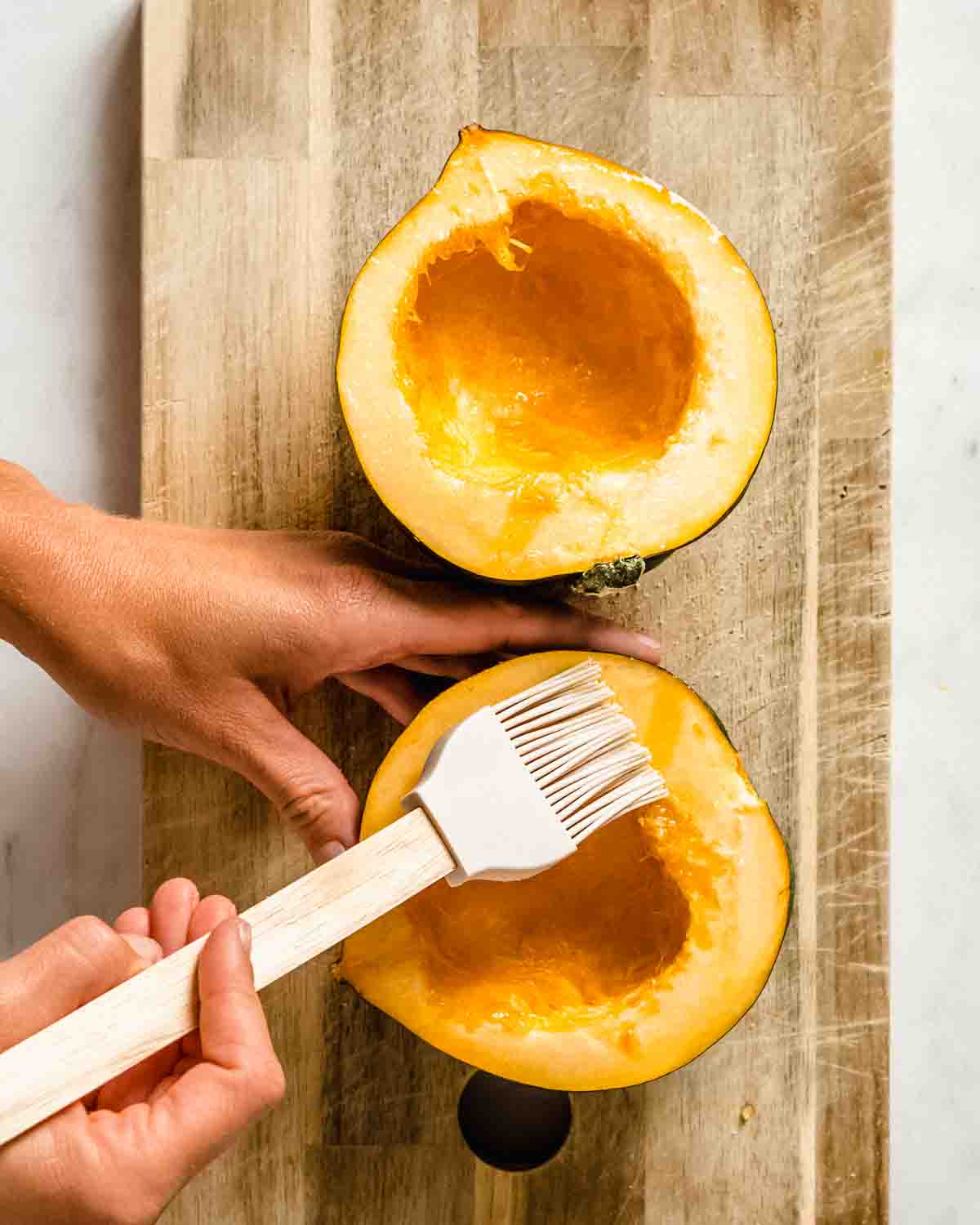
STEP 1: Roast the squash. Wash the acorn squash skin. Cut them down the center using a very sharp knife and scoop out the seeds. Sprinkle the flesh generously with salt and brush with a tablespoon of olive oil.

Place the squash flesh side down onto a parchment-lined baking sheet. Bake these in a preheated oven at 400°F (200°C) for 35-40 minutes or until they are fork tender. If they are still a bit hard, give them extra time in the oven. Roasting cut side down lets the flesh steam in its own moisture so it turns soft and creamy instead of drying out, and the edges touching the tray get lightly caramelized.
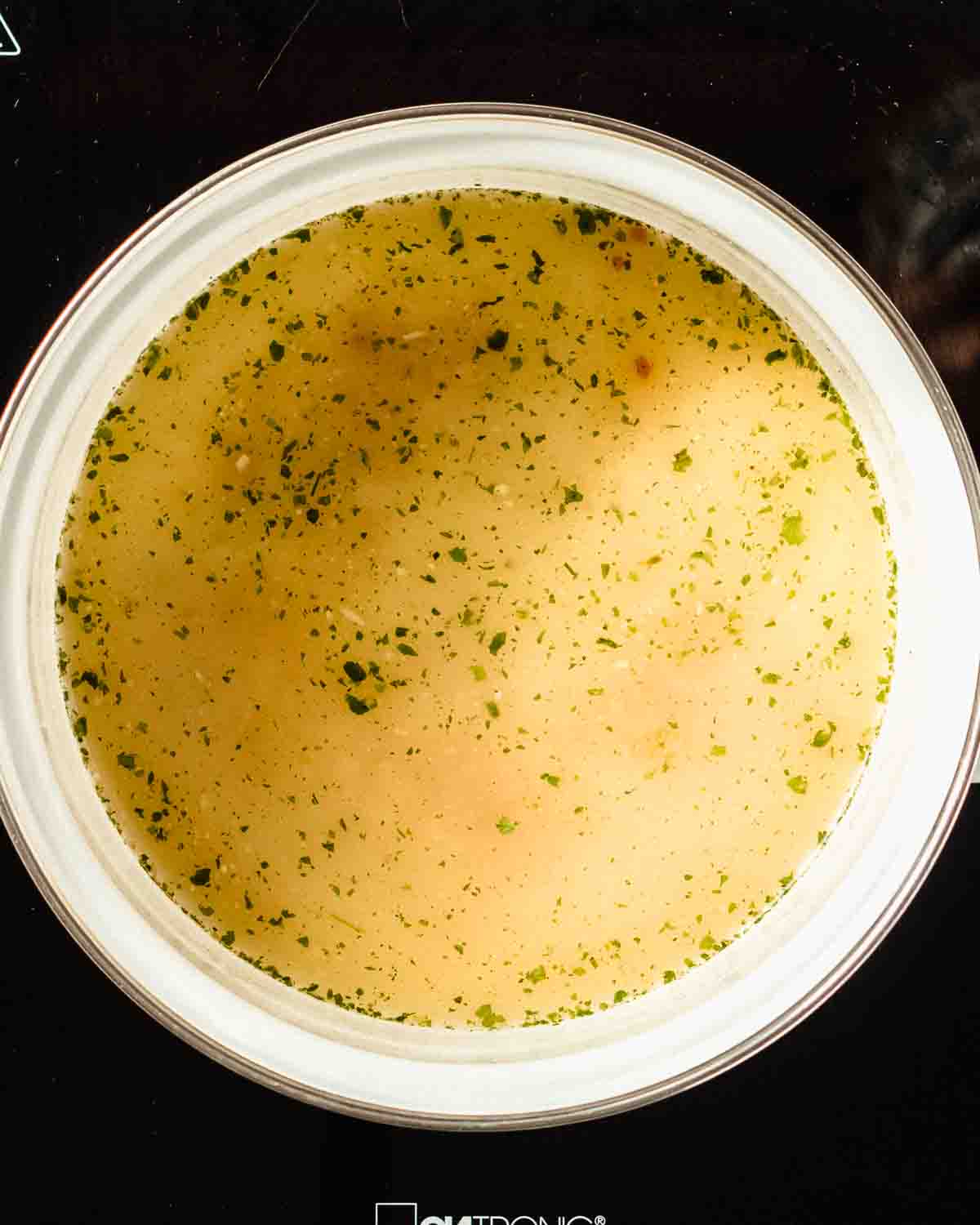
STEP 2: Couscous. Bring the vegetable broth to a boil in a small saucepan.
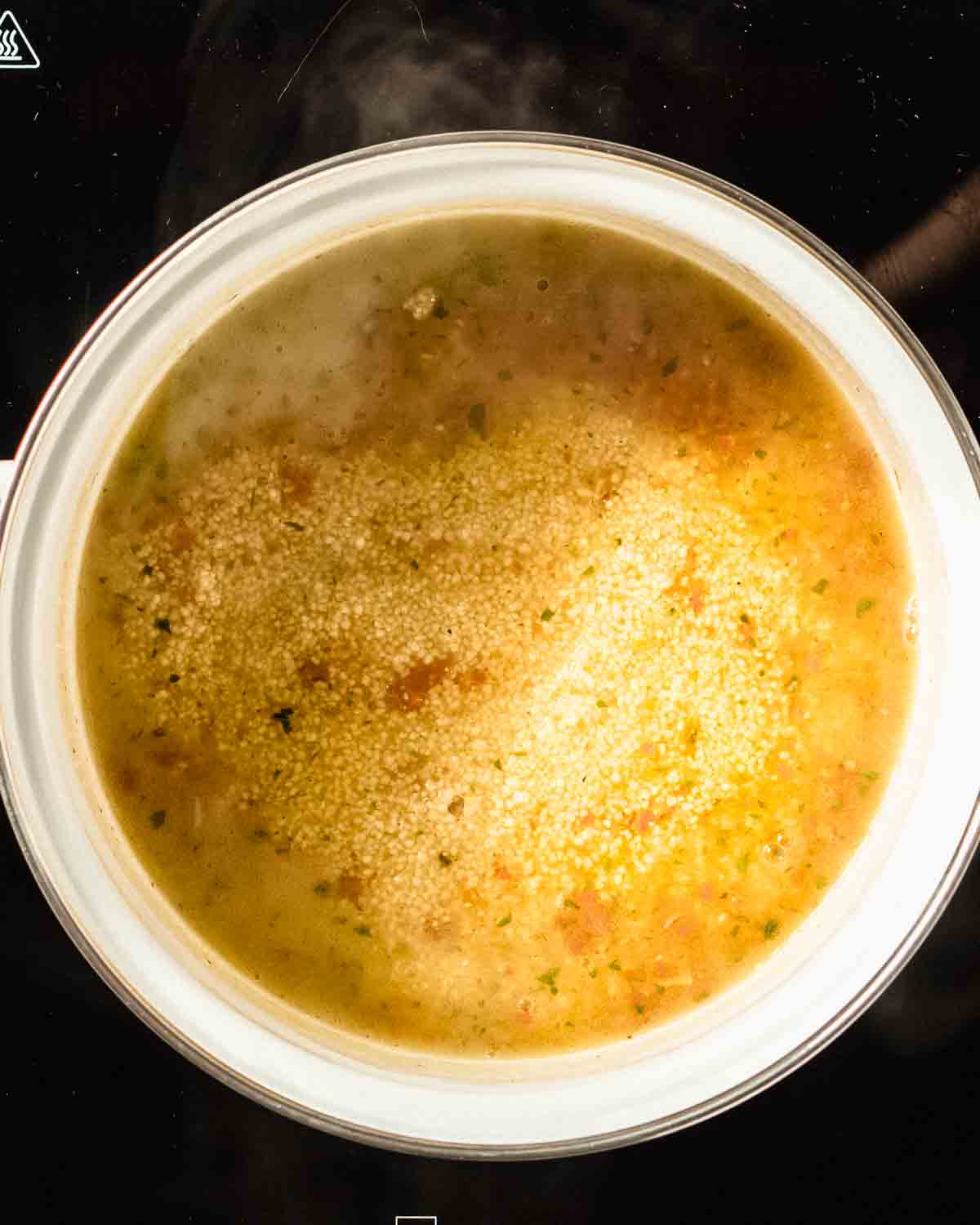
Add in the couscous, turn off the heat and set it all aside.
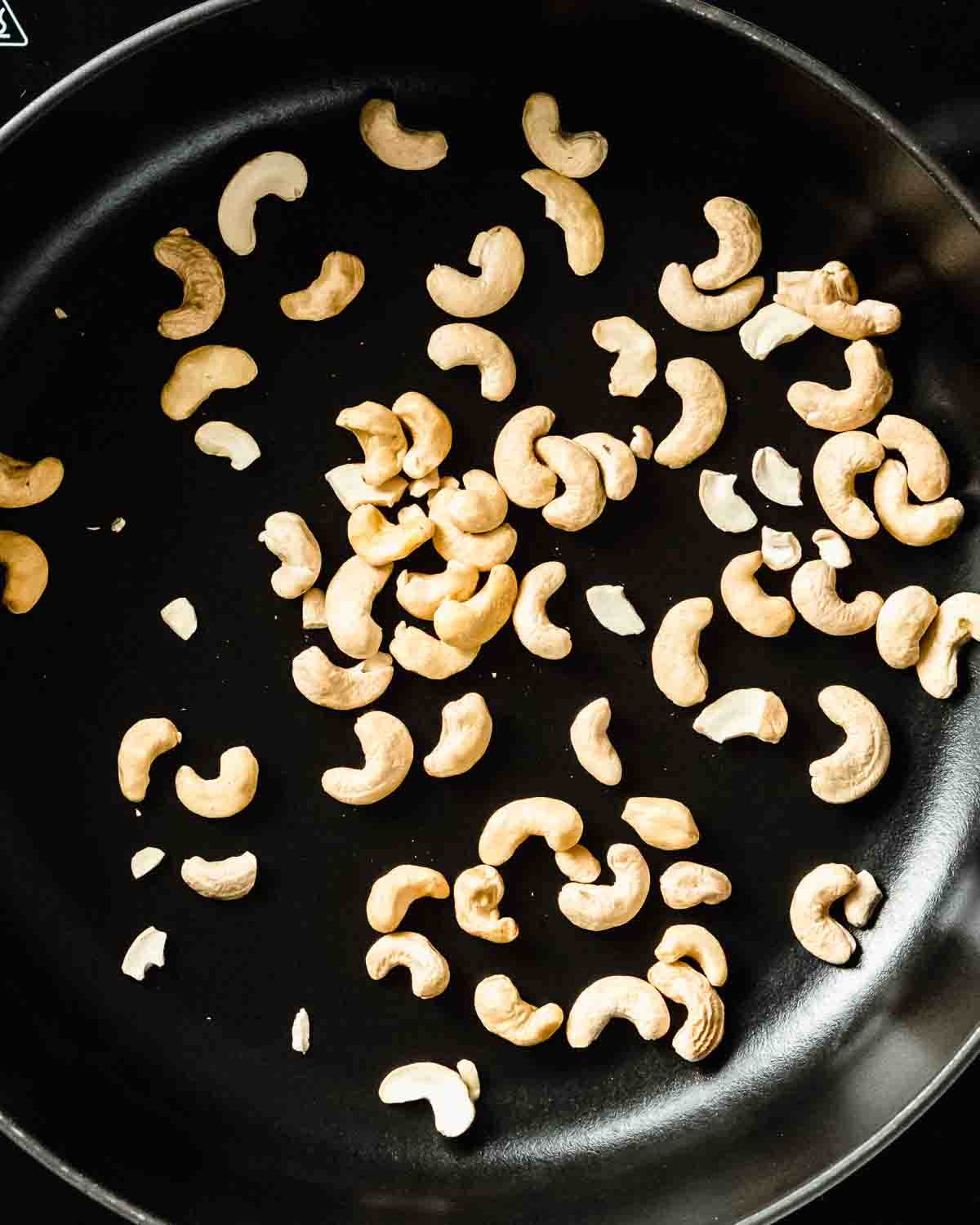
STEP 3: Cashews. Toast the dry cashew nuts in a non-stick pan, be careful not to burn them. Remove them from the pan and set them aside.
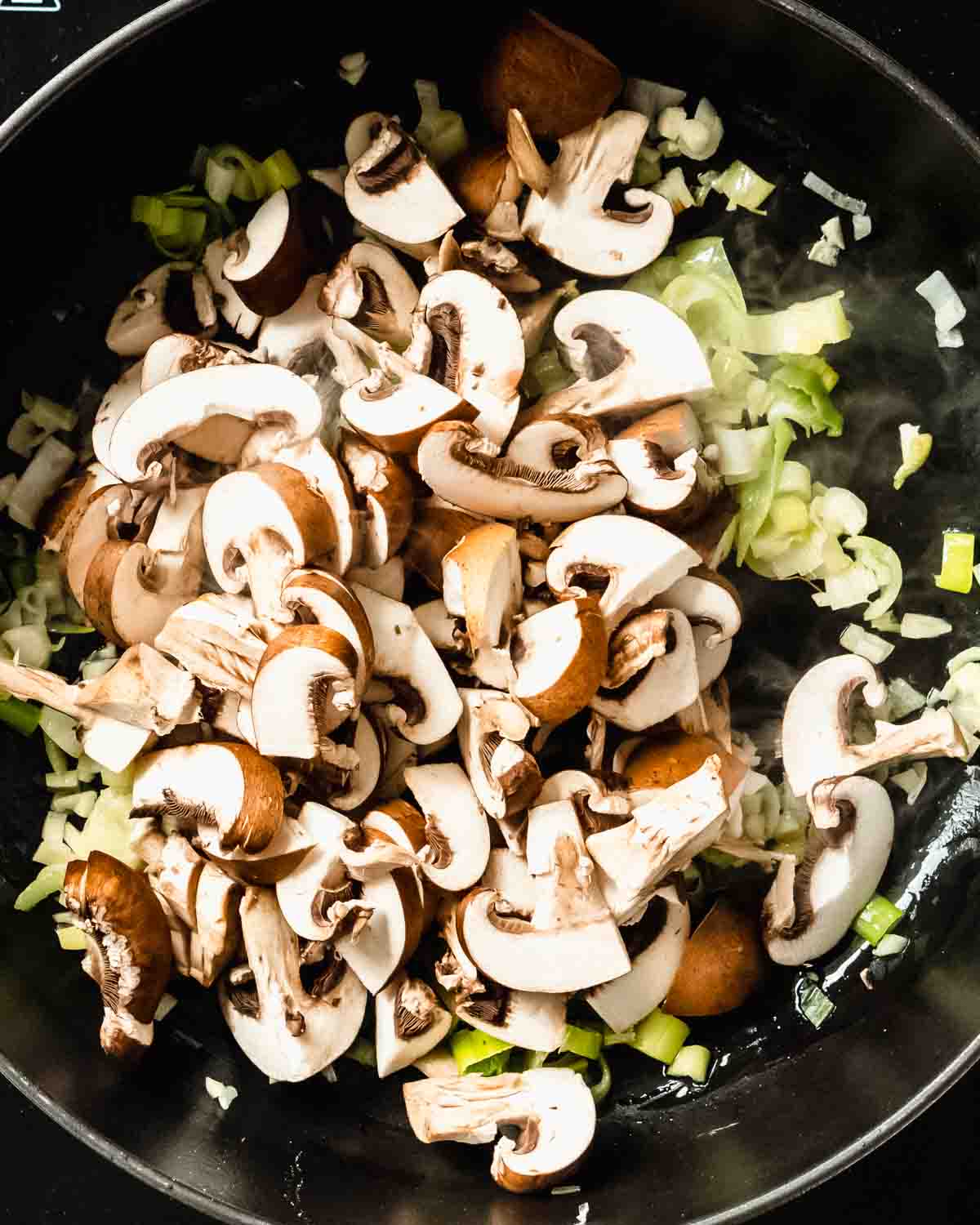
STEP 4: Veggies. In the same pan, cook the chopped green onion and minced garlic in 2 tablespoons of olive oil until the onion has softened. Be careful not to burn the onion; try to cook it on a gentle-medium heat. Add in the mushrooms and cook them for a few minutes until they begin to brown.
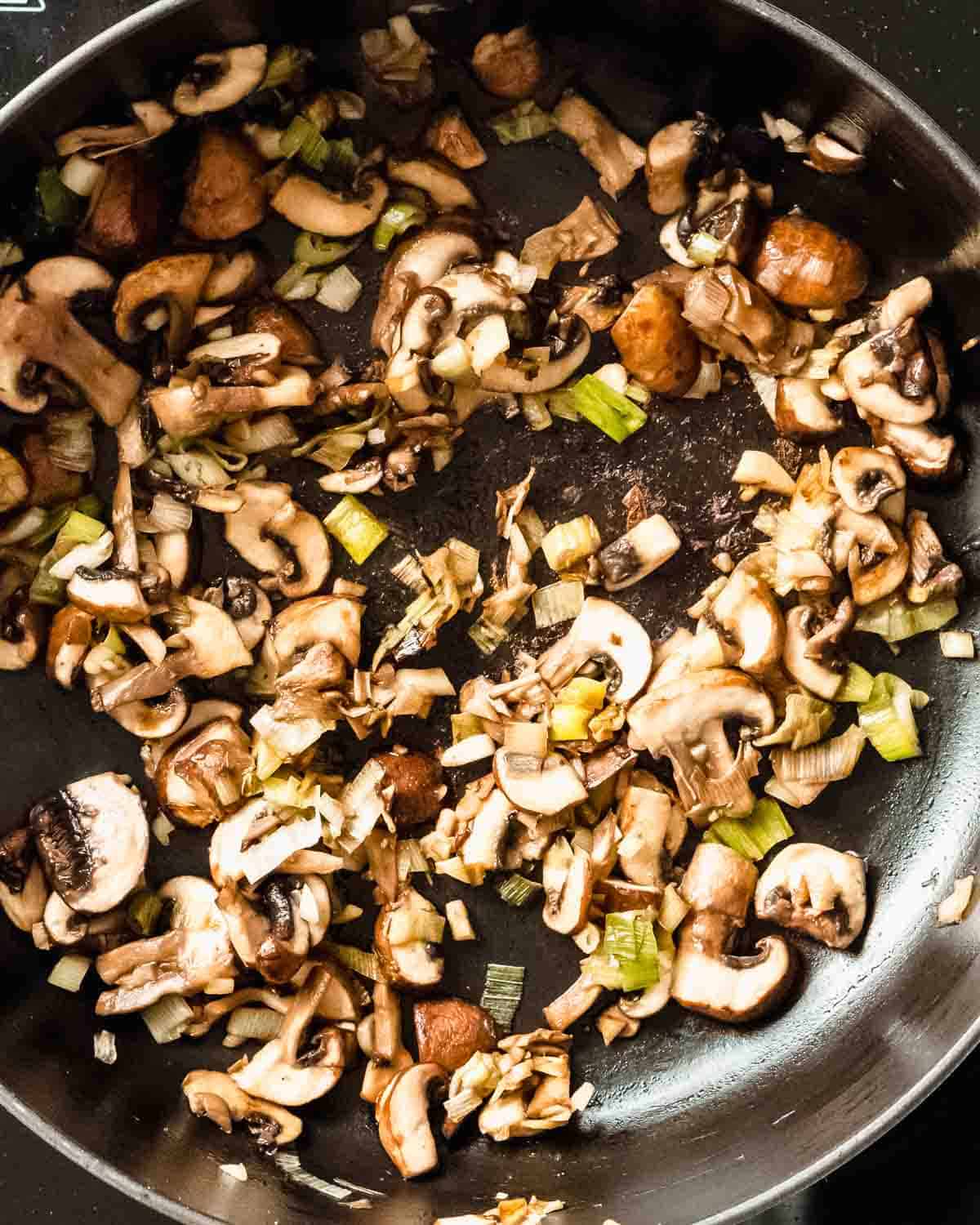
Once all the ingredients in the pan have cooked, sprinkle with a little salt.
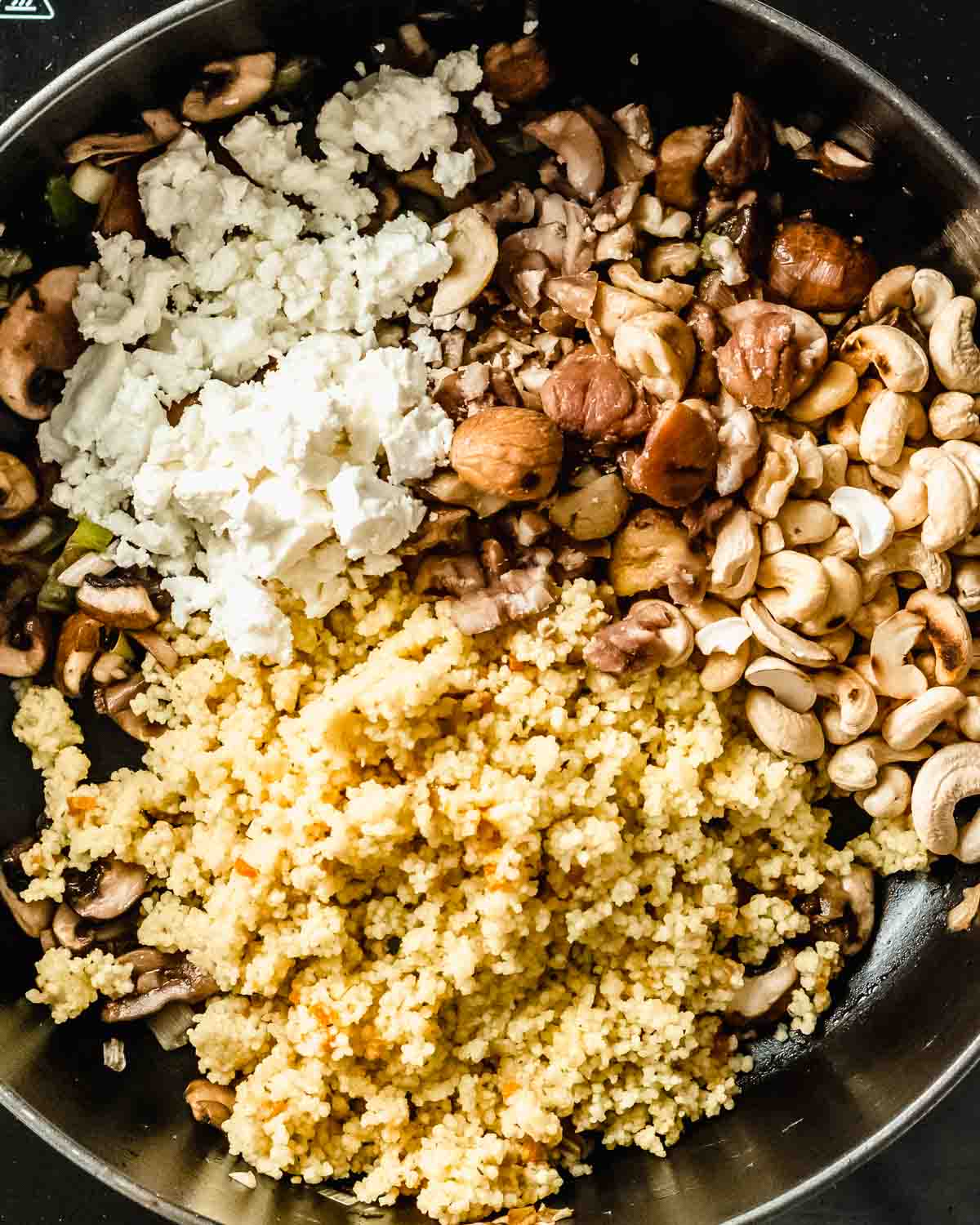
STEP 5: Mix together the filling. Fluff the couscous and add it to the pan. Crumble in the feta cheese, and add the cashews and chestnuts.
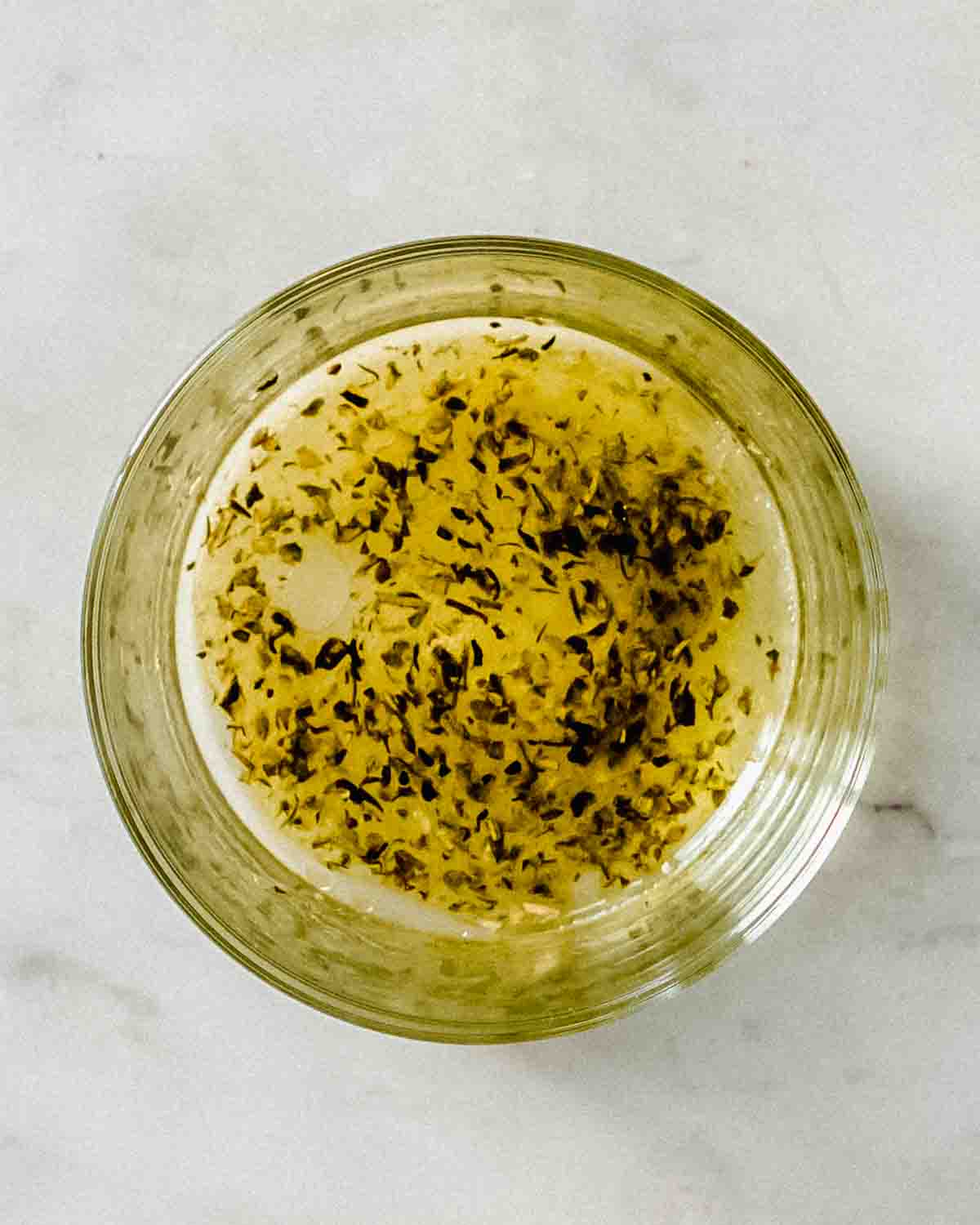
STEP 6: Marinade. Mix olive oil, lemon juice, and the mixed herbs in a small bowl. Pour this over the filling.

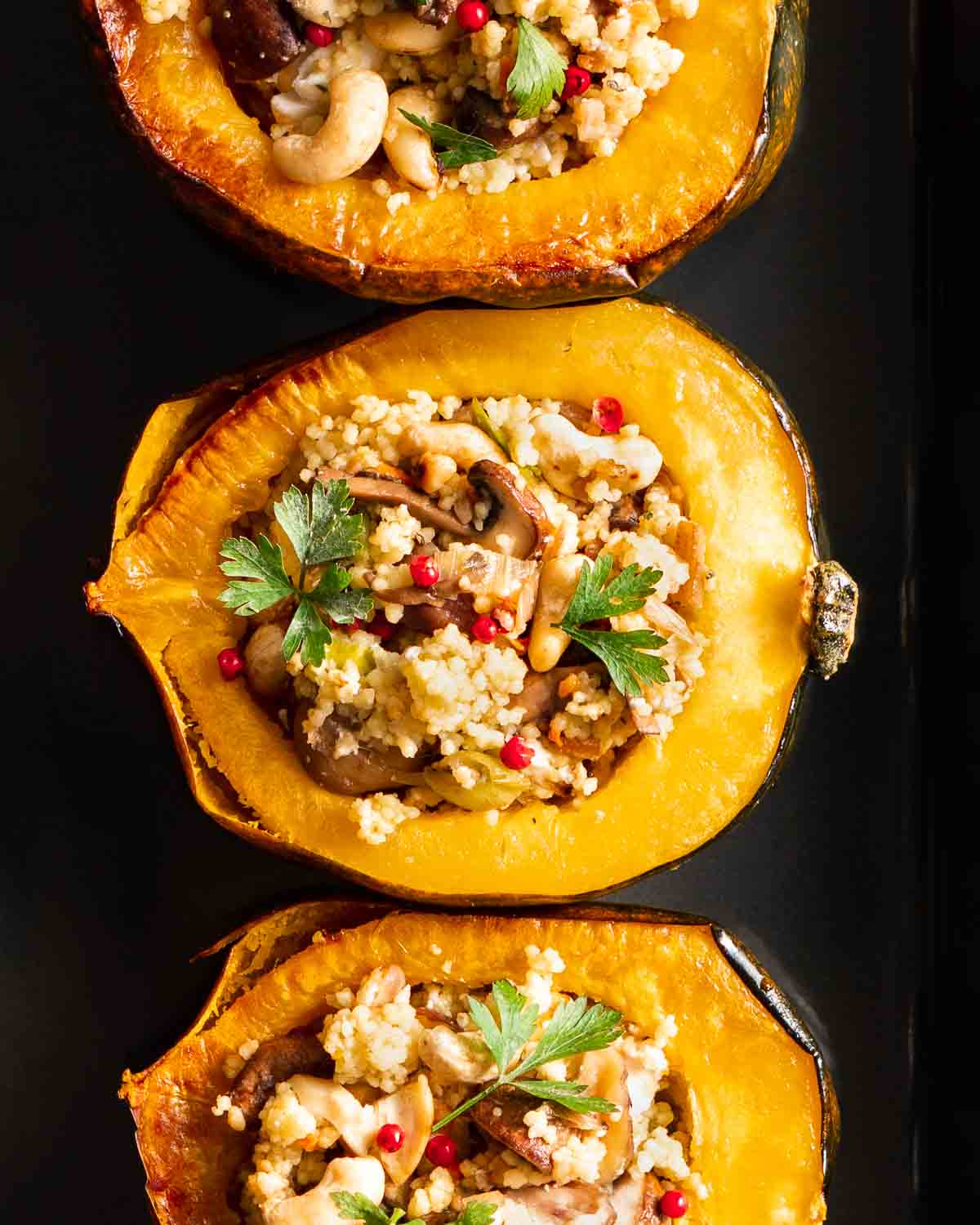
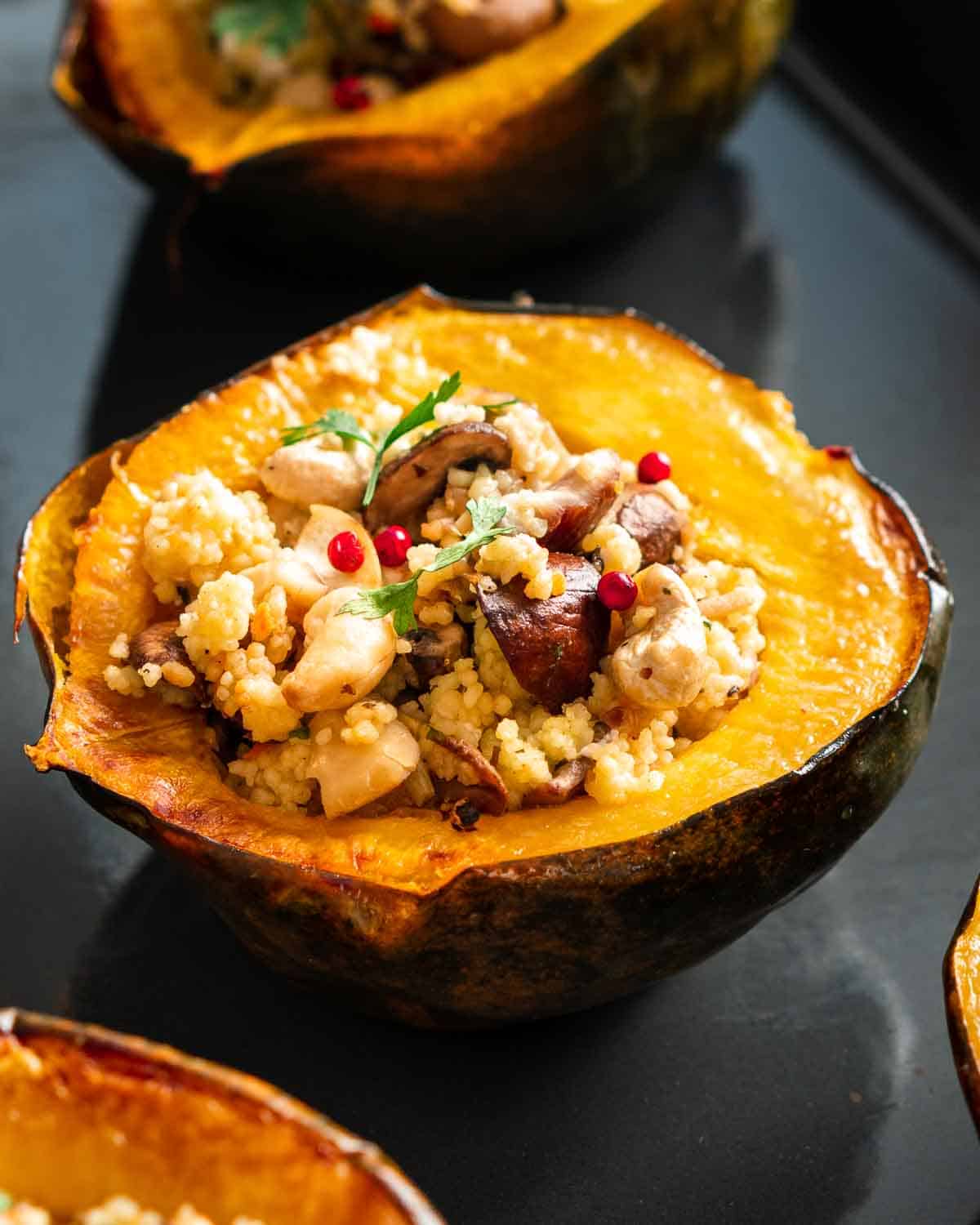
Give it a good stir then fill the squash halves with the stuffing and sprinkle some fresh parsley on top of the squash.
Top Tips
- Mushrooms: choose sturdy, meaty mushrooms like brown, oyster, or shiitake. These will keep their shape as opposed to the softer white mushrooms, which absorb liquid easily and become soft and floppy.
- Acorn squash: It's done when a fork slides into the thickest part with no resistance. Undercooked squash is the most common problem, so give it extra time if needed.
- Chestnuts: add them at the end with the feta so they stay in soft pieces instead of breaking down.
- Garnish: some freshly chopped parsley will lift the dish and give it a pop of freshness
Variations
- Dairy-free: You can easily omit the feta cheese or add in some vegan cheese if you're still looking for that flavor.
- Nut-free: If you want to make a nut-free alternative to this dish, sprinkle a few toasted sunflower seeds into the filling instead of the cashews. Chestnuts aren't a true nut in the culinary sense, but they are tree nuts, so check with your guest before including them.
- Gluten-free: Try quinoa as a protein-packed alternative. Wild rice is another good option and will give a nice nutty flavor to the stuffing recipe. Cook according to package instructions.
- Nuts: play around with variations of nuts. Walnuts, pecans, or toasted pine nuts will fall beautifully into your fall theme.
- Size of cashews: If you'd prefer smaller-sized cashew nuts, you can chop them up in the food processor or by hand.
Optional Add-Ins
- Chickpeas or cooked lentils: for more protein when serving this as a main (about 1 can, rinsed and drained, stirred into the filling).
- Tofu Ground Beef
- Parmesan
- Dried cranberries or golden raisins
- Sunflower or pumpkin seeds
- Pomegranate seeds
- Fresh apple chunks
Serving Suggestions
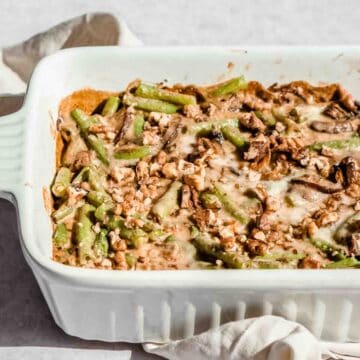
- Main Dish: Serve this delicious stuffed squash as a vegetarian main dish alongside some Baked Potatoes, Roasted Green Beans, Roasted Frozen Brussels Sprouts, Mashed Potatoes or Green Bean Casserole. Or check out these delicious Vegan Stuffed Portobello Mushrooms for more stuffed veggie ideas. Why not serve this Vegetarian Charcuterie Board as a starter first?
- Side Dish/ Starter: Or use it as a meatless starter or side side dish alongside some other vegetarian mains such as this Vegetarian Wellington.
- Drinks: Enjoy this hearty dish with some Cranberry Mocktail or Non Alcoholic Holiday Punch.
Storage
- To store: This vegetarian stuffed acorn squash can be stored in the fridge for up to two days. It's best eaten immediately but will keep well in an airtight container in the refrigerator.
- To reheat, pop the whole stuffed squash back into the oven at 400°F (200°C) for about 10 minutes. The other option is to pop them into the microwave for a couple of minutes.
- Freezing: I haven't tested freezing this dish, so I recommend the make-ahead method above instead.
FAQ
Yes- I usually make this ahead of time for Thanksgiving. Roast the squash and make the filling separately, then store both in airtight containers in the fridge. On the day, reheat the squash halves in the oven, warm the filling in the microwave or a pan, then stuff and serve. Keep them warm in a low oven until everything else is ready.
No. The squash is already fully roasted and the filling is warm straight from the pan, so it's ready to eat. Many stuffed squash recipes go back in the oven to melt a cheese topping or crisp a grain crust. Here the feta is crumbled into the filling rather than melted on top, so a second bake would mostly just dry out the couscous. If you're making it ahead or waiting on other dishes, just slide the stuffed halves into a low oven to keep them warm.
Yes. Hokkaido (red kuri) and butternut squash both work well. If the squash or pumpkin you choose is larger than the acorn squash, you may need to increase the cooking time and the filling quantities.
Yes, and I love eating it! Acorn squash skin softens nicely during roasting. Just give the squash a good wash before cutting. If you use a different squash, whether to eat the skin depends on the variety: Hokkaido skin gets soft and is lovely to eat, while butternut skin is edible but tougher, so most people scoop the flesh out instead.
Usually one stuffed half per person is enough, maybe with a green salad on the side. Big appetites might go for a whole squash (two halves), so make an extra one if you're cooking for hungry eaters.
More festive recipes



📖 Recipe
Vegetarian Stuffed Acorn Squash
Ingredients
Stuffing
- 4 tablespoon olive oil
- 1 green onion *or spring onion
- 3 garlic cloves
- 3 acorn squashes
- ½ cup (90 g) couscous or wild rice or quinoa for a gluten-free version
- 1 cup (230 ml) veggie broth
- ½ cup (90 g) cashews
- 3 cups (200 g) sliced mushrooms
- ½ cup (150 g) cooked chestnuts
- ½ cup (100 g) crumbled feta *rennet-free or vegan if preferred
- lemon juice of ½ a lemon
- 1 teaspoon Italian dried herbs
Instructions
Acorn Squash
- Preheat oven to 400°F (200°C).
- Give the squash a good wash. Then slice it in half and scrape out the seeds using a spoon.
- Sprinkle the flesh with some salt and brush on some olive oil.
- Place the squash upside down (see step-by-step photos or video) on a baking sheet lined with parchment paper and bake for 35-40 minutes or until the flesh of the squash is fork-tender.
Couscous
- In a small saucepan, bring the veggie broth to a boil. Add the couscous, turn off the heat and set couscous aside.
Filling
- Toast cashews over medium heat until they release their flavors and slightly brown (be careful not to burn them). Then remove from the pan and set aside.
- Heat 2 tablespoon of olive oil in a pan over medium heat. Add onion and garlic and fry until onion is soft.
- Add the mushrooms and saute for a couple of minutes until tender and lightly browned. Sprinkle with some salt half way through.
- Turn off the heat. Fluff the couscous with a fork or whisk and add it to the mushroom mix followed by the toasted cashews, cooked chestnuts, and crumbled feta.
- In a small bowl whisk together 1 tablespoon of olive oil, lemon juice and mixed herbs.
- Add the marinade to the stuffing and stir until just combined.
- Spoon stuffing into the roasted acorn squash halves. Add some fresh herbs on top and enjoy!
Video
Notes
- Serving Size: The stuffing is enough for 3 acorn squashes (or 6 halves = 6 servings)
- Mushrooms: choose sturdy, meaty mushrooms like brown, oyster, or shiitake. These will keep their shape as opposed to the softer white mushrooms, which absorb liquid easily and become soft and floppy.
- Acorn squash: Try to ensure you have seasoned the flesh with a generous amount of salt. Ensure the acorn squash has cooked enough in the oven.
- Meal Prep: You can prepare all the elements ahead of time. The filling can be made up and stored in an airtight container. The same applies to the acorn squash. All parts can be reheated - squash in the oven or microwave, and the filling will do best being reheated in the microwave (for details see above).
- If the stuffing isn't warm anymore, place the acorn squash back with the stuffing back into the oven for about 10 minutes.
- Variations: for a dairy-free/ vegan, gluten-free or nut-free version please see our variation options above

Leave a Reply